
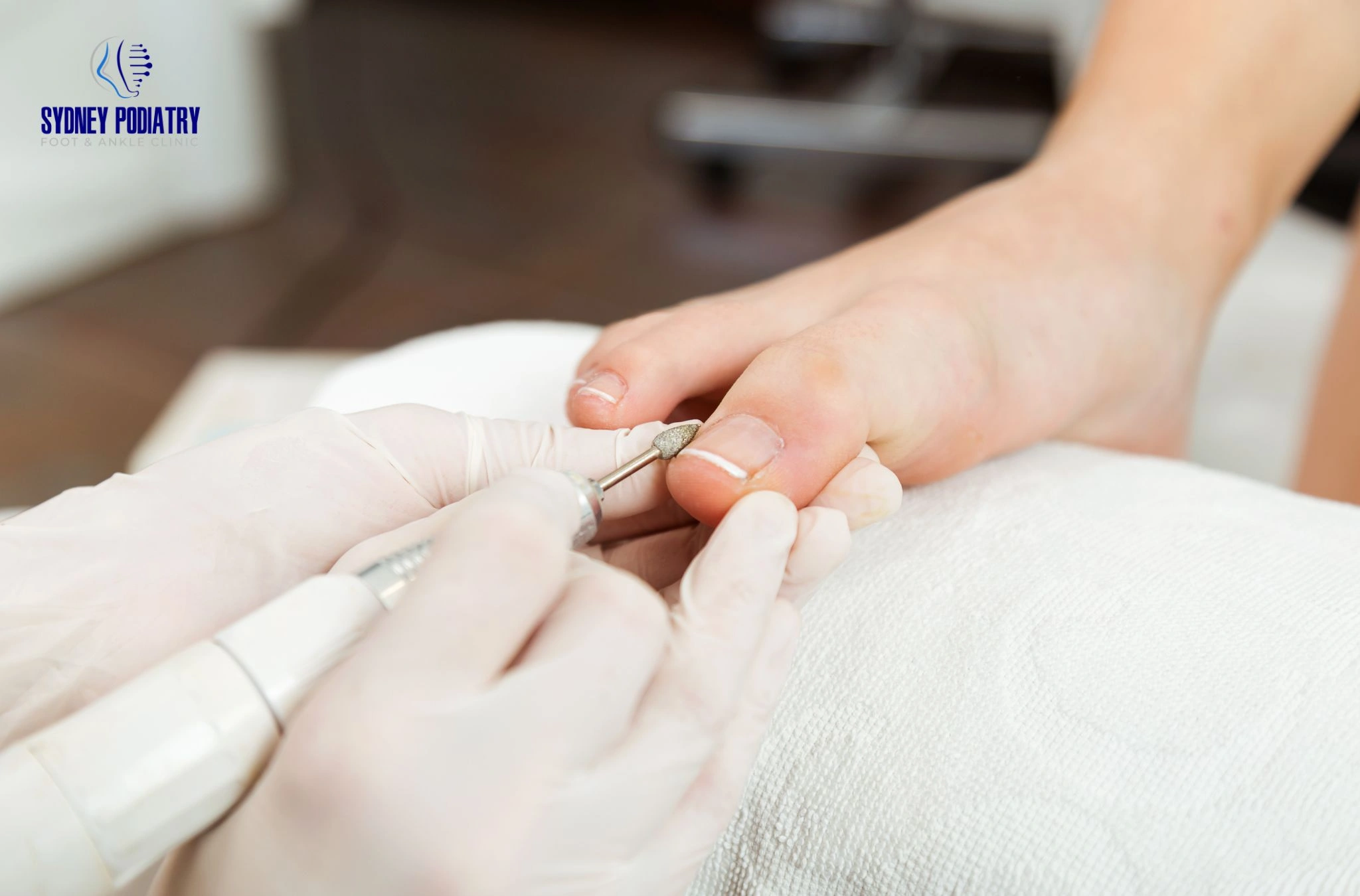
Healthy feet are often overlooked until pain, thickened nails, or cracked heels start interfering with daily life. While traditional salon treatments may offer a cosmetic touch-up, a Medical Pedicure (Medi Pedi) goes much deeper. It focuses on restoring foot health in a safe, clinical setting, especially for people dealing with persistent skin or nail concerns.
If you’ve ever wondered what a medical pedicure is and whether it’s worth considering, this guide explains what it includes, how it differs from a regular pedicure, and who can benefit the most.
What Is a Medical Pedicure?
A Medi Pedi is a non-invasive foot treatment performed in a sterile, clinical environment by a trained professional, often a podiatrist or foot care specialist.
Unlike beauty-based treatments, the goal is not polish or aesthetics. The focus is on:
- Removing thickened skin and calluses safely
- Managing corns and cracked heels
- Treating ingrown or thickened toenails
- Improving overall nail and skin health
- Reducing discomfort while preventing infection
This treatment is especially suitable for individuals with ongoing foot concerns, diabetes, circulation issues, or those who want professional-grade foot care without the risks associated with standard salon procedures.
Why Foot Health Deserves Attention
Feet carry the body’s weight every day. Over time, pressure, footwear choices, and health conditions can cause:
- Painful corns
- Hard skin build-up
- Fungal nail changes
- Ingrown toenails
- Dry, split heels
Ignoring these problems may lead to worsening pain, infection, or mobility issues. A Medi Pedi addresses these concerns before they become more serious.
What Does a Medical Pedicure Include?
While each treatment is tailored to the individual, a typical session may involve:
1. Detailed Foot Assessment
The session usually begins with a thorough evaluation of the feet, nails, and skin. This helps identify underlying problems such as fungal infections, pressure points, or circulation concerns.
2. Nail Care
- Trimming and shaping thickened or damaged nails
- Managing ingrown toenails
- Reducing nail thickness safely
- Cleaning debris beneath the nails
3. Callus and Corn Removal
Painful corns and hardened skin are gently reduced using sterile instruments. Unlike salon treatments, sharp tools are handled by trained professionals to minimise risk.
4. Crack and Heel Care
Deep heel fissures are carefully treated to reduce splitting and promote smoother skin.
5. Skin Smoothing and Hydration
Medical-grade moisturisers may be applied to improve skin integrity and reduce dryness.
6. Personalised Advice
Guidance on footwear, hygiene, and at-home maintenance is often provided to help maintain results long-term.
What Is the Difference Between a Medical Pedicure and a Regular Pedicure?
| Medical Pedicure | Regular Pedicure |
| Performed in a clinical setting | Performed in a salon |
| Focus on health and treatment | Focus on cosmetic appearance |
| Uses sterile medical instruments | May reuse tools with varying hygiene standards |
| Addresses foot conditions | Does not treat medical issues |
| Suitable for high-risk clients | May not be safe for certain health conditions |
A regular pedicure is primarily cosmetic—filing, soaking, massage, and polish. A Medi Pedi, on the other hand, is a clinical therapeutic service designed to improve foot health and prevent complications.
For individuals with diabetes, immune conditions, fungal infections, or recurring corns, the clinical approach is significantly safer.
Can You Get a Pedicure If You Have Corns?
Yes, but with caution.
If corns are present, a salon pedicure may not be the safest choice. Untrained removal or aggressive filing can worsen pain or cause infection.
A Medi Pedi is specifically designed to treat corns properly. The thickened skin is reduced carefully, relieving pressure while protecting healthy tissue underneath. Proper removal often provides immediate comfort and reduces recurrence when combined with footwear advice.
Who Should Consider a Medical Pedicure?
A Medi Pedi is beneficial for:
- People with thick or fungal nails
- Those with recurring corns or calluses
- Individuals with cracked heels
- People who struggle to cut their own nails
- Seniors with limited mobility
- Individuals with diabetes (with professional clearance)
- Anyone wanting preventative foot care
It’s not only for people with serious problems. Even those with generally healthy feet can use it as preventative care to maintain long-term foot health.
Is a Medical Pedicure Painful?
Most treatments are comfortable. In fact, many people feel immediate relief, especially after thick skin or corns are reduced.
If a condition is inflamed or infected, mild sensitivity may occur, but professionals work carefully to keep discomfort to a minimum.
How Often Should You Get a Medical Pedicure?
Frequency depends on your individual needs.
- Every 4–8 weeks is common for ongoing maintenance.
- People with thicker nails or recurring calluses may benefit from more regular sessions.
Consistent care prevents small problems from becoming painful ones.
Benefits of a Medical Pedicure
Choosing a Medi Pedi offers several advantages:
1. Improved Comfort
Reducing pressure areas can significantly ease walking discomfort.
2. Better Nail Health
Proper trimming and thinning reduce fungal build-up and nail deformities.
3. Infection Prevention
Sterile instruments lower the risk of bacterial or fungal infections.
4. Early Detection of Problems
A trained professional can identify signs of issues such as fungal infection or circulation concerns early.
5. Long-Term Foot Maintenance
Routine care supports better mobility and overall well-being.
What Makes Medi Pedi Safer?
Safety is one of the biggest reasons people choose a Medi Pedi.
- Sterilised instruments are used for each patient.
- No shared foot baths.
- Clinical hygiene standards are maintained.
- The treatment is customised to health conditions.
For high-risk individuals, especially those with diabetes or compromised immunity, this controlled setting is essential.
Maintaining Results at Home
To prolong the benefits of your Medi Pedi:
- Moisturise daily
- Wear properly fitted footwear
- Keep nails trimmed straight across
- Avoid cutting corns at home
- Seek early care if pain returns
Final Thoughts
A Medical Pedicure is not just a luxury; it is a proactive step toward healthier feet.
By treating painful corns, calluses, and cracked heels in a safe clinical environment, you aren’t just improving how your feet look; you are restoring how they function. If you’re experiencing an existing concern or want expert foot care, don’t settle for temporary fixes. Choose a professional approach that delivers real relief and lasting results.
