
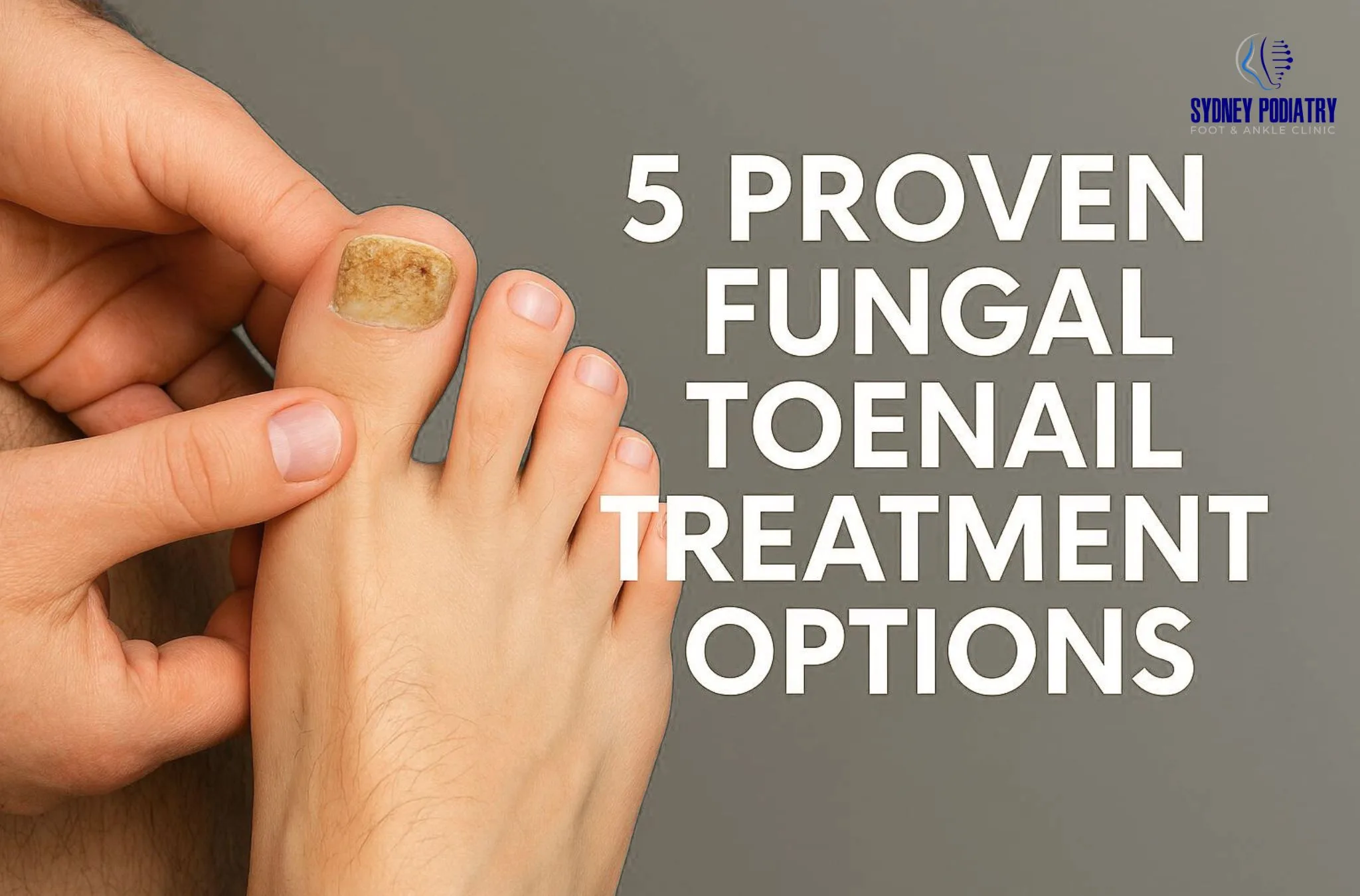
That tiny white mark on your toenail? It might not be “just a stain.” It could be a Fungal Toenail infection, which can quietly spread beneath the surface, thickening, discolouring, and weakening the nail before you even realise what’s happening.
The good news is this: the right Fungal Toenail Treatment can stop the infection and help restore healthy nails, but only if you choose the right option at the right time.
Let’s look at the five treatments that actually deliver real, lasting results.
What Causes Fungal Toenails?
Toenail fungus (onychomycosis) develops when fungi grow under or inside the nail. It thrives in warm, moist environments like sweaty shoes, locker rooms, and swimming pools.
You may notice:
- Thickened nails
- Yellow, brown, or white discolouration
- Crumbly or brittle edges
- Nail lifting from the bed
- Mild discomfort or pressure
If left untreated, the infection can spread to other nails or skin.
5 Proven Fungal Toenail Treatment Options
1. Topical Anti Fungal Toenail Treatment (Mild Cases)
For early infections, topical treatments may help.
These include medicated lacquers, creams, or solutions applied directly to the nail. They work best when:
- The infection is superficial
- Less than half the nail is affected
- The nail plate isn’t severely thickened
However, nails are dense structures, which makes it difficult for topical products to penetrate deeply. This means results are slow and require consistent daily use for many months.While some people consider these the best nail fungus treatment, they are usually most effective only in mild cases.
2. Oral Medication (Stronger Medical Approach)
Oral antifungal tablets are often considered the most effective toenail fungus treatment for moderate to severe infections.
These medications:
- Reach the nail bed through the bloodstream
- Target the fungus at its source
- Usually requires 3–6 months of treatment
They can produce good results but may require liver function monitoring and medical supervision.
Oral medication typically works faster than topical treatments — but it still takes time for a healthy nail to grow out.
3. Laser Fungal Toenail Treatment
Laser therapy is becoming a popular non-invasive Anti fungal toenail treatment option.
This is how it works:
- A medical-grade laser penetrates the nail
- Heat destroys fungal organisms
- Surrounding tissue remains unharmed
Benefits include:
- No need for daily medication
- No systemic side effects
- Quick in-clinic sessions
Laser therapy is ideal for patients who cannot take oral medication or want a targeted solution. Results depend on severity, but many patients notice gradual improvement as the nail regrows.
4. Professional Nail Debridement
In moderate to severe cases, reducing nail thickness significantly improves treatment success.
Debridement involves:
- Trimming and thinning the infected nail
- Removing fungal debris
- Improving the penetration of medication
This is often combined with other fungal toenail treatment methods. It can also reduce pressure and discomfort in thickened nails.Many people searching for how to cure fungus on toenails don’t realise that physical nail reduction dramatically improves outcomes.
5. Nail Removal or Surgical Intervention (Advanced Cases)
When infection is severe, painful, or recurring, partial or total nail removal may be necessary.
This minor procedure:
- Removes the infected nail plate
- Allows direct treatment of the nail bed
- Prevents ongoing fungal harbouring
In some cases, permanent nail removal may be recommended if repeated infections occur.
This is similar to procedures used in ingrown toenail nail surgery, where removing part of the nail prevents future problems.
While surgery sounds extreme, it can be the most effective long-term solution for chronic fungal infections.
How Long Does Treatment Take?
One important reality: fungus can be killed relatively quickly, but visible improvement takes time.
Even after successful treatment:
- The damaged portion must grow out
- Toenails grow slowly (about 1–2 mm per month)
- Full regrowth can take up to a year
Consistency and follow-up care are essential for lasting results.
Prevention Tips After Treatment
Once you complete your toenail fungus treatment, prevent recurrence by:
- Keeping feet dry
- Changing socks daily
- Wearing breathable footwear
- Disinfecting nail tools
- Using an antifungal spray in shoes
Fungal infections commonly return when preventative care is ignored.
When to See a Professional
If your nail is:
- Thick and painful
- Spreading to other nails
- Not responding to pharmacy products
- Associated with diabetes or circulation problems
It’s time to consult a qualified Sydney Podiatrist.
A professional can confirm whether it’s truly fungal (not psoriasis or trauma), assess severity, and recommend the right treatment plan.
Take the First Step Toward Healthy Nails
Fungal nail infections are stubborn, but they are treatable. The earlier you start the right fungal toenail treatment, the better your results.
At Sydney Podiatry, our experienced Sydney Podiatrists assess the severity of your infection and recommend the most effective solution — whether that’s laser therapy, medical treatment, nail reduction, or a minor procedure similar to ingrown toenail nail surgery when needed. We focus on removing the infection properly and reducing the chance of it coming back. Book your appointment today and get expert foot care you can trust.
FAQ
What kills toenail fungus the fastest?
Oral antifungal medication generally works faster than topical treatments. Laser therapy can also speed up fungal destruction. However, even the fastest treatment requires patience — a new healthy nail takes 9–12 months to fully grow.
Can I treat toenail fungus myself?
Yes, mild infections can sometimes respond to fungal toenail treatment at home, such as medicated antifungal solutions or pharmacy products.
However, home remedies like vinegar or tea tree oil have limited scientific evidence. If the nail is thick, discoloured, or spreading, professional treatment is usually necessary.
What is the most effective treatment for toenail fungus?
The most effective fungal toenail treatment depends on severity:
Mild: Topical antifungals
Moderate: Oral medication or laser therapy
Severe: Combination therapy or surgical removal
A professional assessment ensures you receive the right approach rather than wasting months on ineffective options.
What not to do with toenail fungus?
Avoid:
Ignoring it and hoping it disappears
Covering it with nail polish (traps moisture)
Sharing nail clippers or shoes
Attempting aggressive DIY nail removal
Delaying proper treatment can allow the infection to worsen or spread.
