
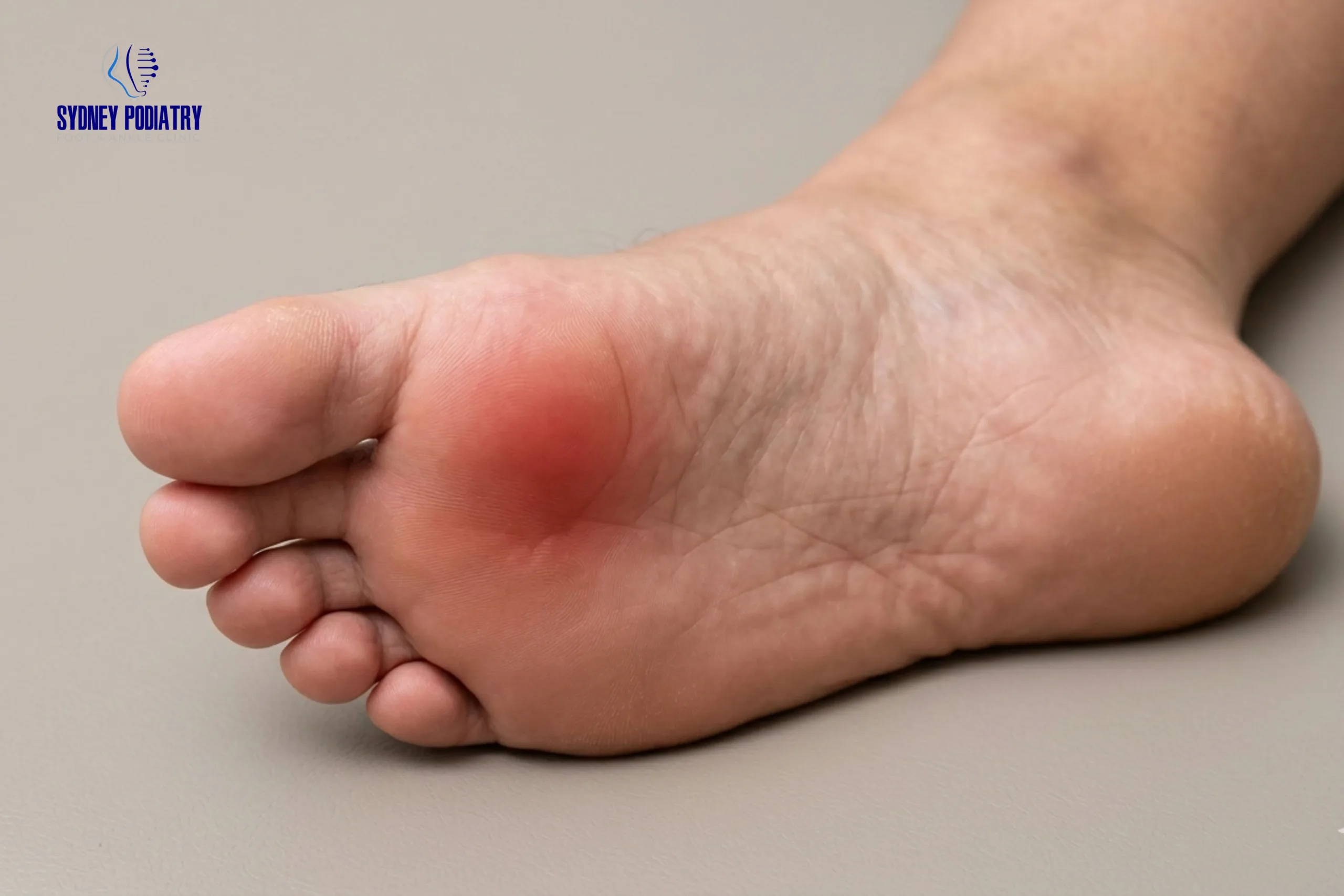
Ball of foot pain is caused by excessive pressure on the front of the foot (the metatarsal area), leading to inflammation, nerve irritation, or joint stress. It often feels like a sharp, burning, or aching sensation just behind your toes. Common triggers include wearing tight or high-heeled shoes, overuse from running or walking, foot structure issues, or conditions like nerve compression.
The good news? With the right treatment, ranging from footwear changes and orthotics to targeted exercises and professional care, most cases can be effectively managed or completely resolved.
What Is the Ball of Foot Pain?
The “ball” of your foot refers to the padded area beneath your toes, where your metatarsal bones meet the toe joints. This part of the foot absorbs significant pressure every time you walk, run, or stand.
When this area becomes irritated or overloaded, you may experience pain in the ball of foot, also known as metatarsalgia. While not always serious, it can quickly interfere with daily activities if left untreated.
What Causes Ball of Foot Pain?
There isn’t just one cause. This type of discomfort usually develops due to a combination of factors:
1. Poor Footwear Choices
Shoes that are too tight, too loose, or have high heels can shift excessive pressure onto the front of your foot. Over time, this leads to inflammation and discomfort.
2. High-Impact Activities
Running, jumping, or sports that involve repetitive foot impact can strain the metatarsal bones, especially if your footwear lacks proper support.
3. Foot Structure and Mechanics
Flat feet, high arches, or abnormal walking patterns can lead to uneven weight distribution, increasing stress on the forefoot.
4. Nerve Compression (Morton’s Neuroma)
This condition involves thickening of tissue around a nerve between the toes, often causing a burning sensation or a feeling of a pebble in your shoe.
5. Ageing and Fat Pad Loss
As we age, the protective padding beneath our feet wears down, leaving the bones less cushioned and more exposed to pressure.
6. Medical Conditions
Conditions like arthritis, diabetes-related nerve issues, or inflammation can also contribute to discomfort in the ball of the foot.
Common Symptoms to Watch For
Symptoms can vary depending on the underlying cause, but most people report:
- Sharp, aching, or burning pain in the front of the foot
- A feeling like you’re walking on small stones
- Tingling or numbness in the toes
- Increased discomfort when standing, walking, or running
- Relief when resting or removing shoes
If these symptoms persist or worsen, it’s a sign your feet need attention, not just rest.
How Do You Diagnose Metatarsalgia?
Accurate diagnosis is key to effective treatment. A podiatrist will usually:
- Assess your walking pattern (gait analysis)
- Examine foot structure and alignment
- Check for nerve sensitivity or joint issues
- Review your footwear and activity levels
In some cases, imaging such as X-rays or ultrasound may be used to rule out fractures or more complex conditions.
Effective Treatment Options for Ball of Foot Pain
The right treatment depends on the cause, but most plans combine multiple approaches for the best results:
1. Footwear Changes
Switching to shoes with proper arch support, cushioning, and a wide toe box can significantly reduce pressure on the forefoot.
2. Orthotics (Custom Insoles)
Custom orthotics are designed to redistribute pressure evenly across your foot. They’re especially effective for structural issues or recurring pain.
3. Rest and Activity Modification
Reducing high-impact activities gives your foot time to heal. Low-impact exercises like swimming or cycling are good alternatives.
4. Ice and Anti-Inflammatory Care
Applying ice packs for 15–20 minutes can help reduce swelling and discomfort. Over-the-counter anti-inflammatories may also be recommended.
5. Stretching and Strengthening Exercises
Tight calf muscles or weak foot muscles can contribute to the problem. Simple exercises can improve flexibility and support.
6. Padding and Offloading
Metatarsal pads or cushioning inserts can relieve pressure on the affected area, especially during daily activities.
7. Advanced Treatments
In persistent cases, options like shockwave therapy, injections, or minor procedures may be considered.
Simple Exercises You Can Start Today
These exercises can help relieve tension and improve foot strength:
Toe stretches
Gently pull your toes upward to stretch the underside of your foot
Marble pickups
Use your toes to pick up small objects and improve muscle control
Towel curls
Use your toes to pull a towel toward you to strengthen the intrinsic foot muscles
Foot rolling
Roll your foot over a tennis ball to release tension
How to Prevent It from Coming Back
Once you’ve experienced this type of pain, prevention becomes essential. Here’s how to stay ahead of it:
- Choose supportive, well-fitted shoes
- Avoid prolonged use of high heels
- Gradually increase activity levels
- Maintain a healthy weight to reduce pressure on your feet
- Replace worn-out shoes regularly
- Use orthotics if recommended
When to Seek Professional Care
If your pain persists for more than a few weeks despite DIY remedies, or if the pain is accompanied by significant swelling or discolouration, it is time to consult a specialist.
At Sydney Podiatry, we specialise in diagnosing the root cause of your discomfort. Whether you need a biomechanical assessment for sports-related injuries, custom-designed orthotics to realign your gait, or expert advice on footwear, our team is here to help you get back on your feet. Contact us today to schedule a consultation and take the first step toward pain-free movement.
How can I tell if my foot pain is a neuroma or metatarsalgia?
While both cause pain in the ball of the foot, Morton's neuroma usually involves the nerves between the third and fourth toes, often causing numbness or "electric" shocks in the toes. Metatarsalgia is more of a generalised ache or "bruised" feeling directly under the ball of the foot.
Can metatarsalgia go away on its own?
If the cause is temporary, such as wearing the wrong shoes for one day, it may resolve with rest. However, if the cause is biomechanical (like your foot shape), it will likely recur unless you address the underlying pressure with better footwear or orthotics.
Is walking barefoot bad for metatarsalgia?
Yes. Walking barefoot on hard surfaces like tile or hardwood floors increases the direct impact on the metatarsal heads. Wearing supportive indoor slippers or cushioned shoes is recommended during recovery.
Is ball of foot pain serious?
Not always, but it shouldn’t be ignored. Mild cases can resolve with simple care, but ongoing pain may indicate nerve issues, joint damage, or structural problems that need professional treatment.
How do I relieve pain in the ball of my foot quickly?
Immediate relief can come from resting, applying ice, switching to supportive shoes, and using cushioned insoles. Avoid activities that worsen the pain.
